


As students rely more on social media and influencers for information, creators like Troy Austen and Sam Wick reveal both the promise and risk of algorithm-driven news.
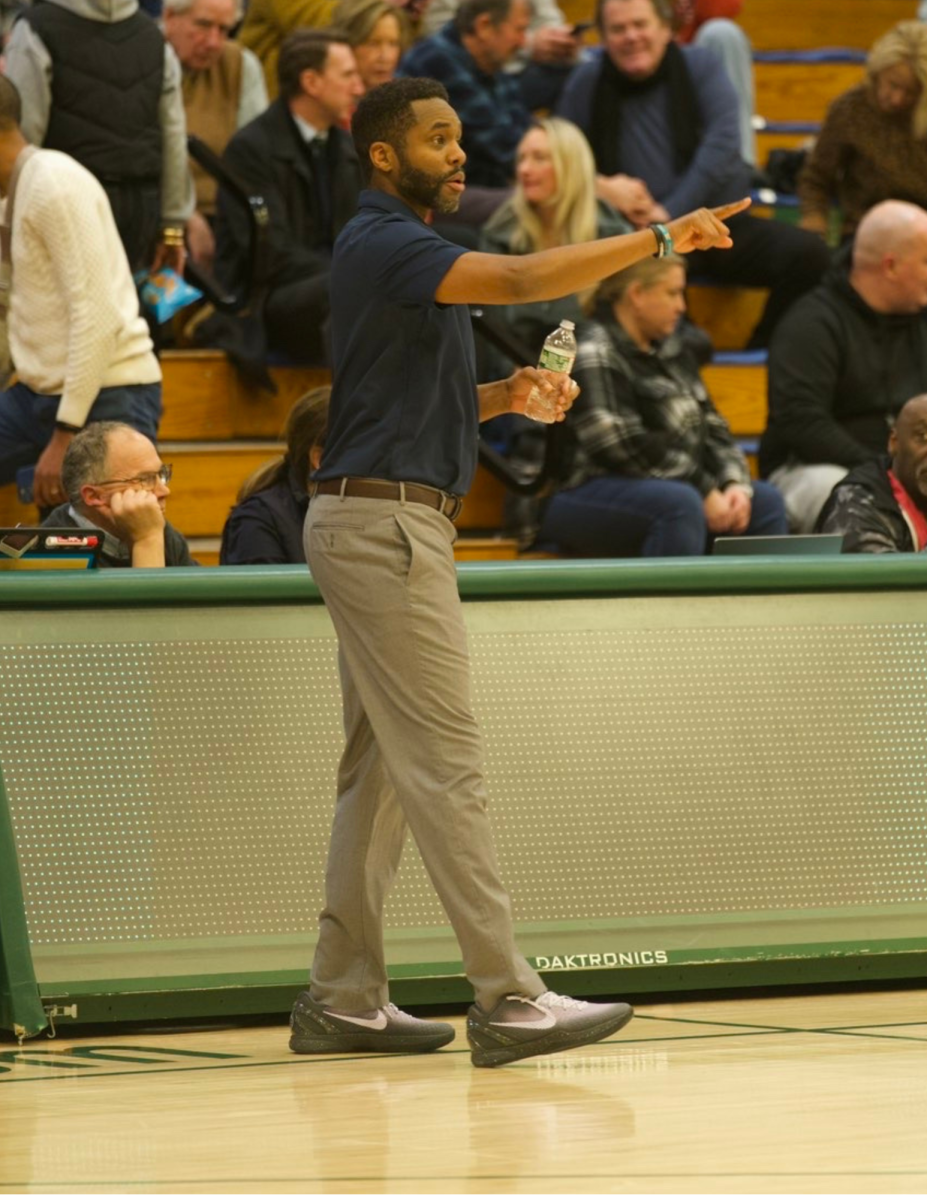
Troy Austin isn’t only a friendly BHS security guard, he’s also the creator of “newswithtroy”, an independent news channel on Instagram.
Austin has wanted to be a reporter ever since he can remember. He said he often listens to his radio scanner in his car, and two years ago, he started showing up at fires and car crashes and taking pictures and filming. He started posting on Instagram and began reaching out to local news stations like WCAX and 2244 news to share what he had filmed.
“There was a news station in Germany that used a video [I took] in Montreal,” Austin said. “They paid me like $300 for the video.”
Sam Wick 26’ has been making fitness social media content since March 2025 on his account @sam_thaguru on instagram and @sam.thaguru on TikTok.
“I just saw some people on my reels and my TikTok, and I liked what they did. So I was like, I want to do this for myself. It looks fun,” Wick said.
Austin and Wick are just two examples of the tens of thousands of news and information creators on social media.
According to a survey by The Register, over 85% of students said they got news and information from content creators such as Austin. In that same Register survey, students said they do so because news on social media is more entertaining, easier to understand, is faster and comes up automatically on their feeds.
Anthony Gierzynski Ph.D., is a professor of Political Science at UVM. The reason young people are turning to social media for news, he said, is “cynicism about good journalism and the negativity of television news.”
Gierzynski said that this can have serious consequences because students who rely on social media for news and information may have impaired cognitive development and be unable to understand “the bigger picture”: what is happening and how things are connected.
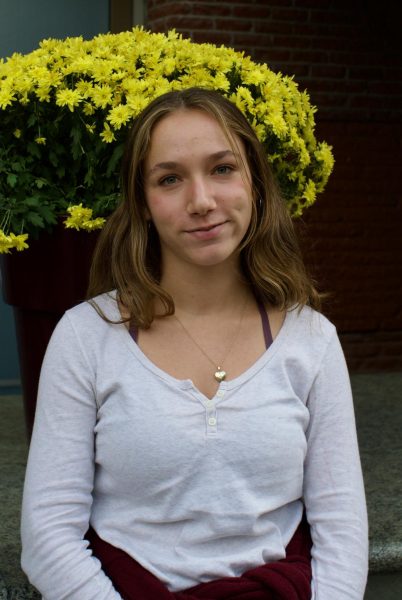
Victoria Tornwini ‘26 agrees that it can be dangerous.
“[Social media is] helping them [teens] kind of just jump to conclusions, or even not being able to see other people’s point of view, because they’re just following what maybe one person is posting online,” Tornwini said.
According to Gierzynski, the real problem with online news is entertainment.
“Most news is designed to entertain audiences in order to make a profit, not to inform. This is especially true of video-based news (on TV, the internet, or social media),” Gierzynski said.
Social media sites make a profit from views, and they maximize those views using “the algorithm”. According to Queens University of Charlotte, social media algorithms are influenced by everything you do on the app: likes, comments and even view length all affect what it shows you. The point of the algorithm is to keep users interested, not to be factually accurate.
Most fact-checking is just up to the creator.
Wick says he talks to professionals and his parents, uses ChatGPT and looks into his sources to make sure that they are reliable.
“I don’t want to spread things that aren’t the truth,” Wick said. “Because that would just make me look like a bad person.”
Austin said he has built up trust with fire and police departments by following the rules, waiting for the press releases before publishing anything and then sharing photos with the fire departments so they can use them on their own websites.
“Last year, I was driving up to a fire,” Austin said, “And the police department had the road blocked off, and I kind of like pulled up right near them, and they were not too happy that I did it. Then when they saw [it was] me, they were like, ‘oh! Troy, Austin, I follow you on your news page.’ And they let me through.”
Victoria Tornwini ‘26 said that while it certainly has drawbacks, there are also benefits to using social media for information and news .
“TikTok is how teens are learning so many things about politics, and that can be a good thing,” Tornwini said. “I think it’s a good way to get your foot in the door, but I don’t think that’s where you should just constantly be for news.”
Gierzynski had this advice for high school students.
“Don’t be cynical or paranoid about everyone having a bias. There are really good journalists out there who are dedicated to giving people as accurate of a read on the world as possible,” Gierzynski said. “Two, read the news, particularly good long-form journalism, don’t watch it.”