

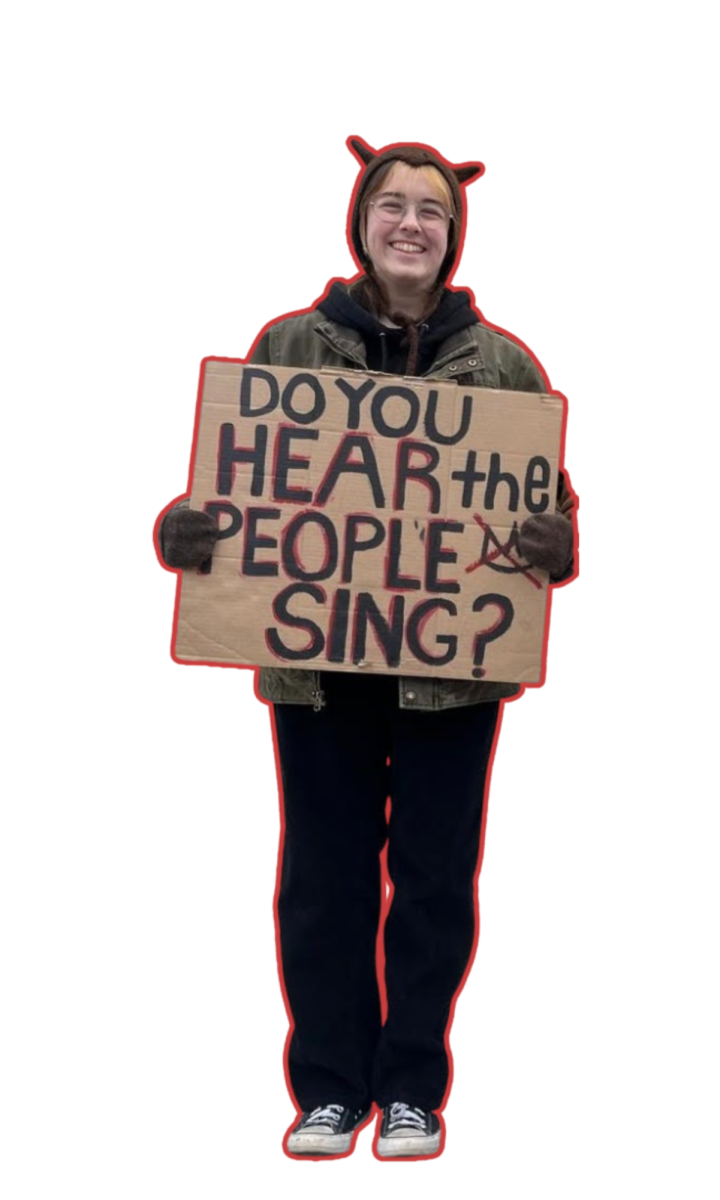
The walkout was no secret. When the halls of BHS quietly flooded with students heading to the ICE Out Protest on Church Street, they did it with the full support of the school administration.
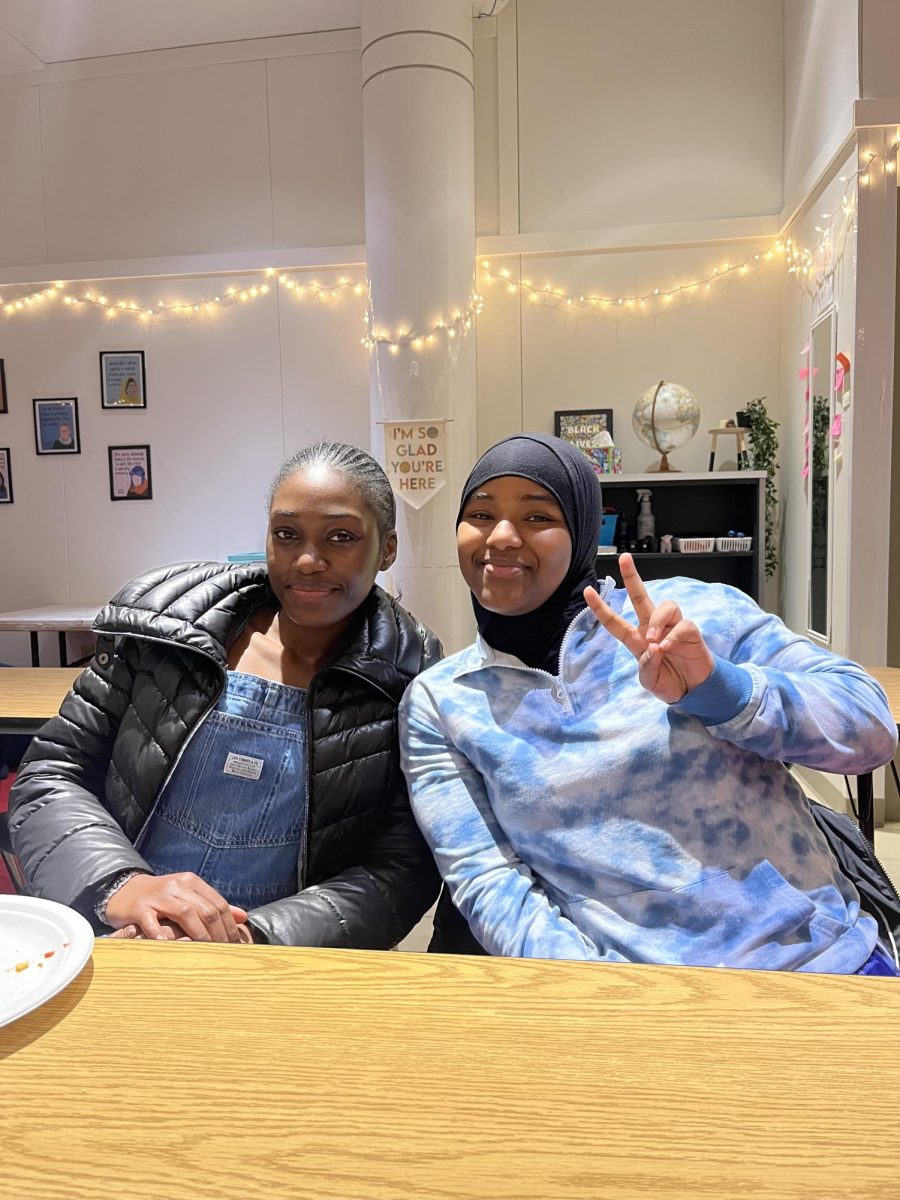
Earlier that day, the administration had made an announcement and sent out an email, both of which stated that the school supports students’ decisions to walk out if they choose to do so. The walkout took place during 4th block on January 30th, and Principal Westdijk said over the intercom that there would also be a sit-in in the cafeteria for those who did not want to be cold.
Social Studies teacher Bowen Stephens believes that there should be consequences for leaving school for a protest.
“I’m just a big proponent of, like, [during a walkout] you’re standing up for something. It’s not like a get together or a fun activity that the school is sanctioning,” Stephens said. “This is a thing that you are choosing to actively disobey and leave school.”
After the Parkland shooting in 2018, students across the country walked out of school. Many were disciplined with detentions and suspensions. In the 1969 Supreme Court Case “Tinker v Des Moines”, students who refused to remove black armbands protesting the Vietnam War were also suspended.
Avery Eringis ‘26 said it’s worth noting that the culture and general demographic at BHS is progressive, which tends to create an environment that supports students’ right to protest.
And even if the protest was allowed, it still felt “genuine” and students were still taking risks by going.
“We’re all sort of supporting each other and doing something that is scary,” Eringis said. “You know, just walking out of school is stressful for a lot of students.”
Avery Shearer ‘27 explains that there’s a certain line to walk between BHS helping accommodate students versus the walkout becoming a school sanctioned event.
“No, it’s not like poserish or not a real protest. I think that’s just something cool the school did to accommodate more people,” Shearer said. “But I can definitely see situations where that could turn it into a less effective or less ‘real’ protest.”
Although it may have contributed to students’ decisions on going to the ICE Out walkout, Keats Overman-Smith ‘26 says that his involvement in protesting in general is not affected by the school.
“[Certain classes at BHS] I think, really push people to think critically about systems around them and use your civic voice to engage in that,” Overman-Smith said. “I think school’s job is not to tell you what to think, but give you the opportunity to learn how to think.”