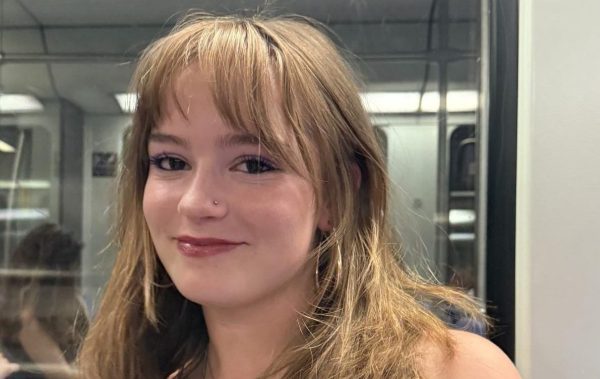


Brette Fialko-Casey ‘27 volunteers at a day care center down the street from their house and has found that taking care of young children is a very meaningful way to serve the community.
“I was able to go recently in the afternoon, [and] all the kids were just so excited to see me. They were like, ‘Brette, we missed you!’ and I was just like ‘oh my God,’” Fialko-Casey said. “It felt good to know the work that I do here matters.”
Fialko-Casey said getting BHS-mandated hours has never been the goal. In fact, he said he often forgets to bring the paperwork to register the hours they complete.
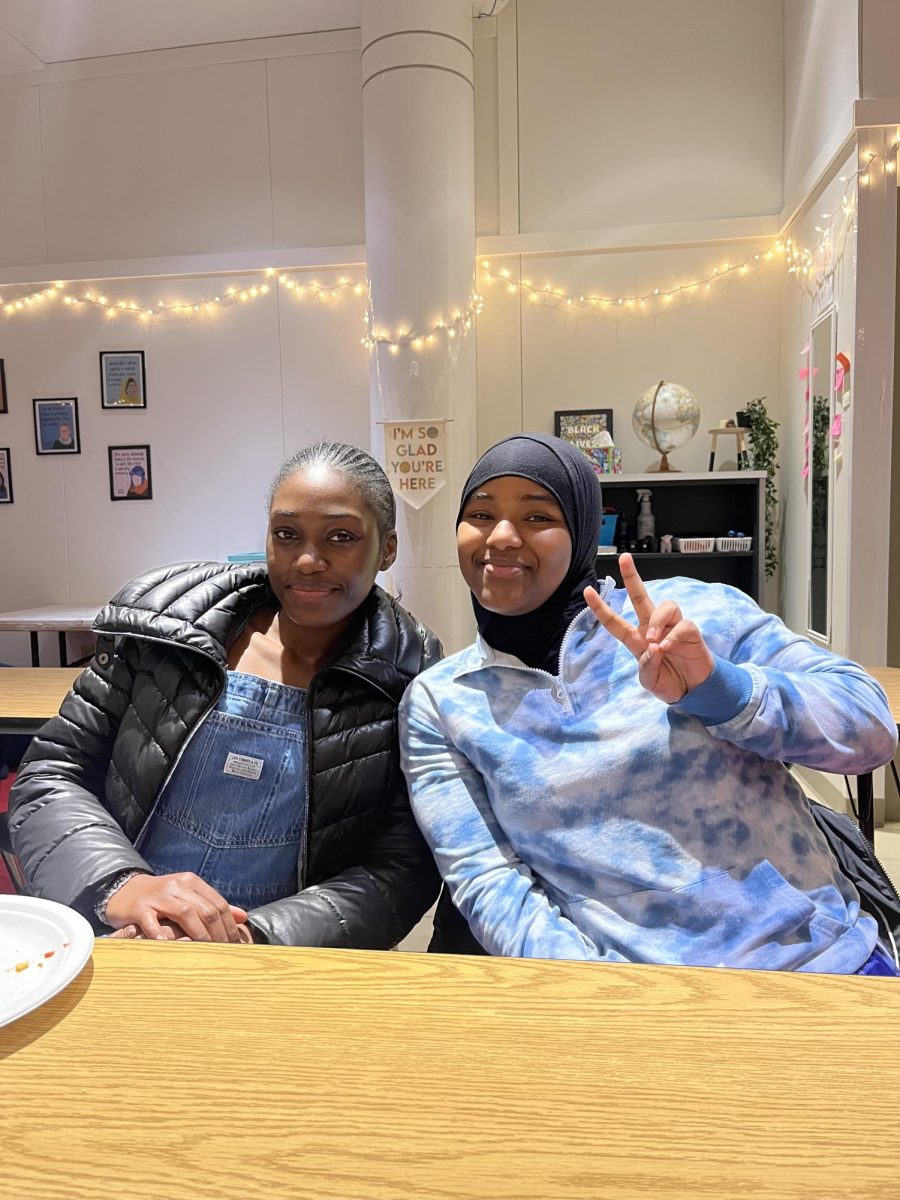
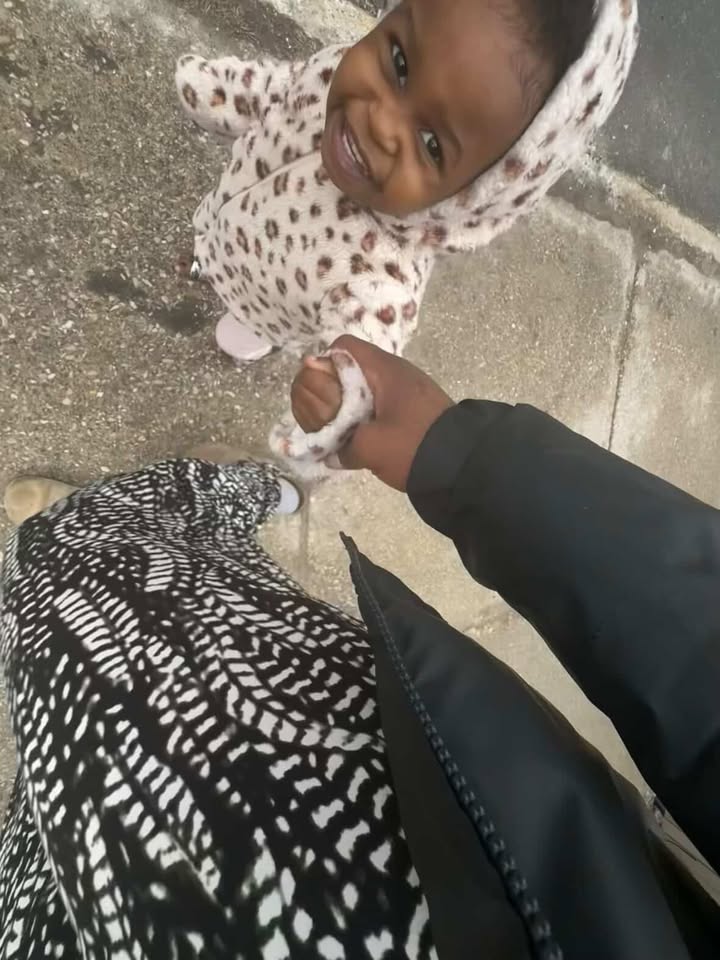
Koleta Morina ‘27 had a different experience with the community service requirement. Morina immigrated to the US from Malawi in 2015. Her first language is Swahili and she speaks English more fluently than her parents. Most evenings, Morina cares for her five younger siblings for six hours after getting home from school.
“I do take care of them almost every day,” Morina said. “It’s my responsibility.”
BHS requires students to complete 40 hours of community service to graduate. It specifically says “babysitting” doesn’t count. It has no comment about “childcare.”
Fifty-three percent of immigrant parents use FFN–”family, friend, neighbor”—childcare systems to take care of their young children, according to the Center for the Study of Childcare Employment at Berkeley University.

The Equity Question
BHS Principal Sabrina Westdijk acknowledges that there can be inequities concerning community service, but says that is also true of academics, employment and athletics.
“[The community service requirement] asks for students to think outside of themselves,” Westdijk says, “and about others rather than themselves, which I think is a pretty valuable thing to have in our society, and something that we don’t find a lot of ways to otherwise emphasize.”
The most important community Morina serves is clear to her: “my family.” For Fialko-Casey, the motivation was “having a good time” and “how much I love my neighborhood community.”
Morina has gotten almost all of her BHS-sanctioned community service hours during school through activities like cleaning classrooms – even though the community service requirement specifies that in-school activities are not supposed to count towards the requirement. Morina has the sense that most other kids in the EL department get their hours in school through similar activities.
“It is really hard,” Koleta Morina said. “But I understand because you need it to graduate.”
Peter Fleming works in the special education program at BHS which helps students with disabilities and also helps EL students adapt their learning if they are struggling with a language barrier. He says some students in the EL department are connected to organizations like the King Street Center and the Boys and Girls Club, but others have more difficulty getting the required hours.
“It’s the students that are isolated that have more barriers, that don’t have many supports outside the building,” Fleming said. “A lot of the barriers that some students have are just about knowing what is provided for them.”
If Fleming doesn’t think a student will get their community service hours, he provides opportunities for students to help out around the building to get the credit.
One way students find out about service opportunities is through emails sent out by German teacher Daniel Gavin’s Heroes Club. Koleta Morina has not participated in any community service provided by BHS Heroes even though she is aware of the club.
“Most kids who take EL classes do know about BHS Heroes,” Morina said, but they don’t join.
Susan Blethen, a teacher in the EL Department says that some students find it difficult to know how to get involved in community service.
“Cultural collateral and self efficacy is essential to the community service requirements,” Blethen wrote in an email, “which can be taxing for our newest English speakers.“
A Work in Progress
In addition to sponsoring the Heros Club, Gavin also organizes the Spectrum Sleep Out. 200 students got 12 community service hours for raising at least $100 for Spectrum Youth and Family Services and spending a night sleeping on the turf field. A previous policy that awarded more hours to students who raised more money ended in 2025 over fairness concerns. This year, Westdijk also capped the number of times students can earn Sleep Out hours at two, for a maximum of 24.
“What I often find, as the advisor to Heroes, is that when kids do it, they actually really thoroughly enjoy it, and it makes them feel good,” Gavin said.
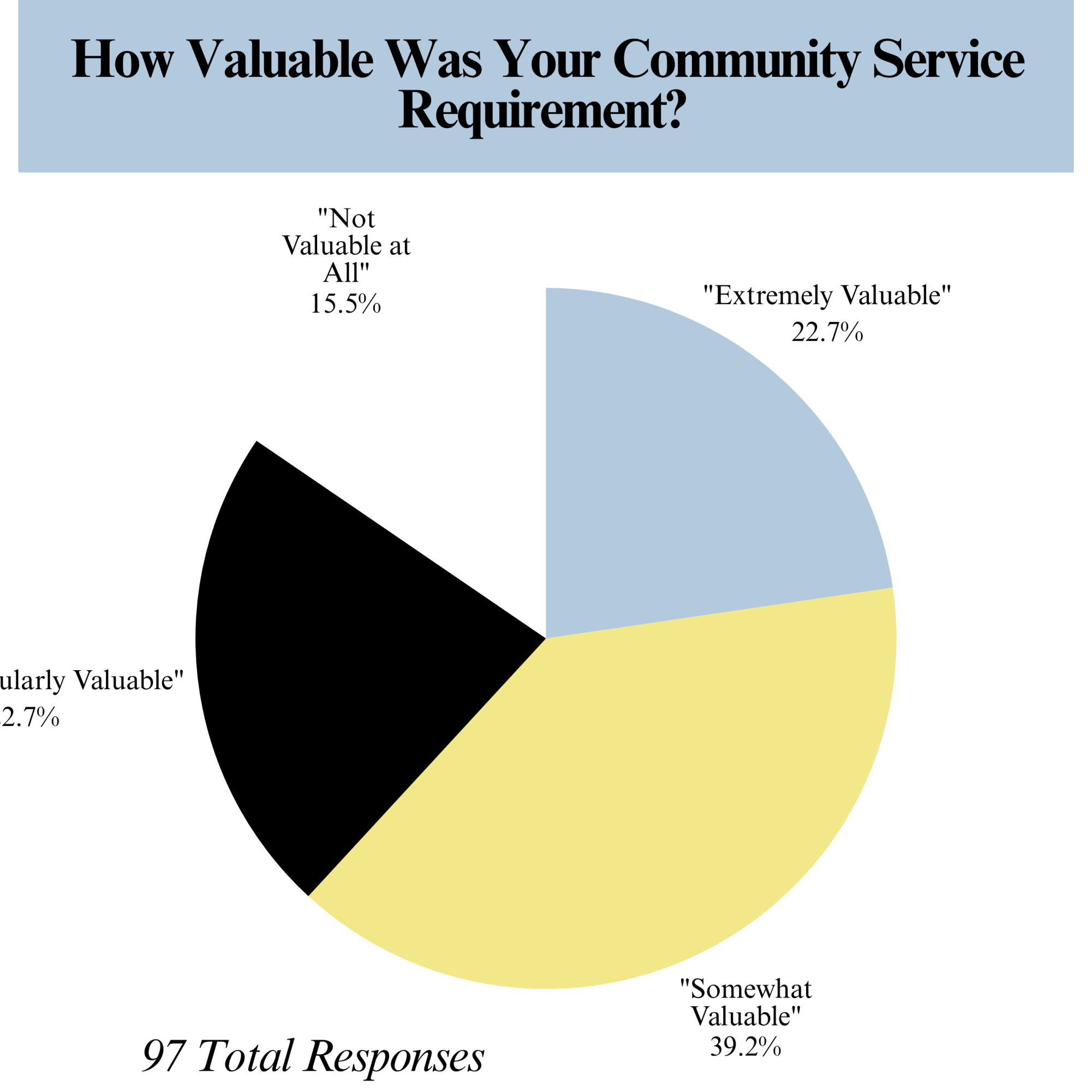
In a BHS Register survey, 22 of 97 students said that the community service requirement has been “extremely valuable” and 38 responded that it has been “somewhat valuable.” Overall, about 60% of students surveyed have found the requirement meaningful.
On that same Register survey, 9 of 52 students reported that they participated in illicit activities, such as smoking or drinking alcohol, at the Sleep Out.
Mark Redmond is the executive director of Spectrum Youth and Family Services. He said this was his first time hearing that students were drinking and taking drugs at the Sleep Out.
“That’s disappointing,” Redmond said. “Because a lot of our work is helping youth who are addicted to alcohol or drugs.”
Gavin has organized the event for the last few years and says misbehavior is to be expected at any large social event involving high school students.
“You need to be vigilant,” Gavin said. “We did up security this year…because we know it’s getting bigger, more popular and we know kids do treat it as a social event.”
Is it Worth It?
Nick Johns ‘26 transferred to BHS at the start of this year from Texas. Johns earned all of his hours by working in the HippoCampus and now recommends that other students become a peer tutor.
“I’ve benefited from feeling like I was participating in something and it also gives people a chance to interact with people who they might not interact with,” Johns said. “Also, I think [it] makes better citizens – more empathetic citizens.”
Johns had not been required to do community service at his previous school in Texas and said he was upset when he first heard about the 10 hours.
“I don’t think it’s that unreasonable now,” Johns said. “Having seen the ways that people give back to the community, like all my friends, obviously it’s a good thing.”
“High school kids are in a place where their brains are still developing. They really focus on themselves, not in a bad way,” Gavin said. “They have so much on their plate. It’s nice that we create this element that’s required where kids have to go and give back to the community.”