


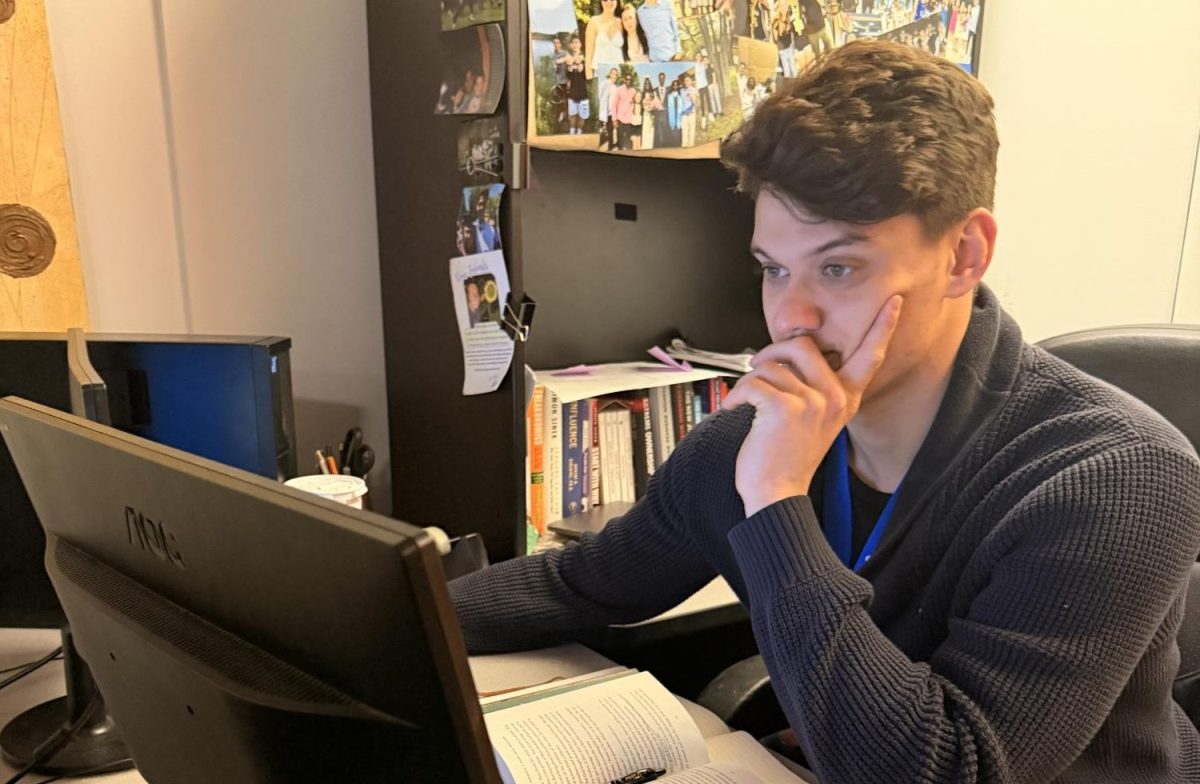
Kevin Garrison’s favorite song right now is “Where Is the Love?” by the Black Eyed Peas. It’s a detail he offered casually at the end of an interview, but it fits his story perfectly.
From sitting and listening to students in his new role as a Student Support Specialist, to creating individualized films for his boy’s basketball players to review, to his work with Love Kelly, to the way he has tried to build community both now and when he went to BHS – Kevin Garrison has spent his life helping to find “the love” through community.
Love Kelly and community
Love Kelly started small. Kelly, the brand’s founder, was making videos for local artists. Garrison came on as a partner and investor, helping turn those ideas into events, fashion shows and eventually a clothing line. They hosted shows in Burlington, then New York City, drawing influencers, musicians and packed crowds.
For Garrison, the appeal wasn’t money. It was momentum and people.
“We put a lot into experiences,” Garrison said. “Life’s about the experience.”
That belief was tested when Love Kelly became involved in a dispute with Converse after the company released a campaign that closely mirrored Love Kelly’s slogans and branding shortly after one of their fashion shows. A video about the situation went viral. Lawyers got involved. The outcome is still uncertain.
Garrison doesn’t talk about it like a business scandal. He talks about it like a lesson.
“It showed me how intimidating power can be,” Garrison said. “But also how important it is to stand up for what you believe in.”
What stuck with him most was how subjective “cool” really is. Love Kelly mattered before big brands paid attention. It mattered because people found community in it.
“That whole thing wasn’t cool until it became cool,” Garrison said. “And that’s subjective. You’ve got to find your people.”
From building brands to building trust
That same philosophy shows up in how Garrison coaches.
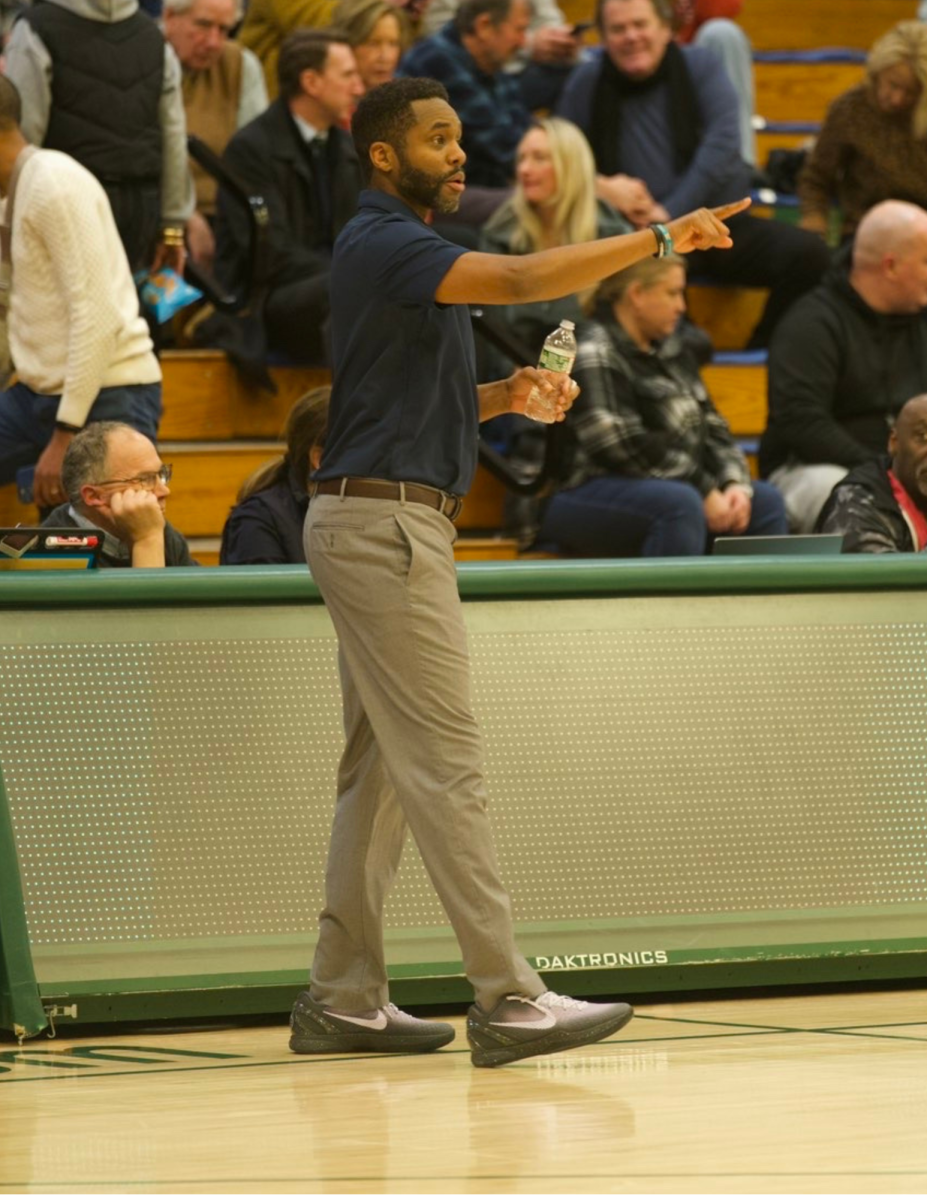
Sawyer Judkins ’27 has played basketball under Garrison for three years, starting before Garrison even officially worked at the school. Judkins says the first thing that separates Garrison from other coaches is his work ethic.
“He does all the little things,” Judkins said. “He chops up film from every game. That’s not something you see with every high school team.”
But Judkins says the bigger difference is trust. Garrison invests in relationships before demanding anything on the court.
“He’s very personal,” Judkins said. “So when he’s yelling at me in basketball, it’s different. There’s already a connection there.”
Last year Judkins had a season-ending injury. When basketball disappeared, Garrison didn’t.
“I talked to him for like two hours,” Judkins said. “Just about life. Outside of basketball. He was the first person I thought of.”
Judkins says Garrison’s college story of walking on and working without recognition has shaped how he teaches leadership.
“He shows that you have to keep working even when nothing shows,” Judkins said. “If our coach can do it, then we should be doing it too.”
A familiar skill, applied differently
To Brennan Carney, a social studies teacher and Garrison’s former football coach, none of this is surprising.
Carney coached Garrison from middle school through his senior year at BHS. He remembers Garrison as a teenager who asked more questions than most.
“He was engaged,” Carney said. “Not just in football, but in what was happening around him.”
That engagement became visible during a teacher strike in Garrison’s senior year. Teachers couldn’t coach. Games were at risk of being canceled. Carney, who was part of the teachers’ union, couldn’t legally be on the field.
Garrison didn’t accept that as the end of the story.
He organized teammates, contacted administrators, met with the superintendent, found non-union coaches and helped run practices. The game happened.
Carney remembers it as a moment that revealed something deeper than athletic leadership.
“He brings people together,” Carney said. “That’s his best attribute.”
Carney says Garrison wasn’t just a leader because he was talented. He was a leader because he noticed who was being left out and cared enough to do something about it.
“He worried about kids who couldn’t afford things,” Carney said. “Not for self-gain. Just because it mattered.”
Student support, not just supervision
Now, Garrison spends much of his day outside the gym.
As a Student Support Specialist, his job isn’t to discipline students or manage schedules. It’s to connect.
Cagney Brigham, who works alongside Garrison, says relationship-building is the core of the role.
“He’s super approachable,” Brigham said. “He’s got a very calm demeanor.”
Brigham has watched Garrison introduce himself to students he’s never met, sit down with upset kids and volunteer to step into tense situations without escalating them.
“There was a group of students who were really angry,” Brigham said. “Kevin just sat down with them and talked it through. Stayed calm.”
Brigham says Garrison doesn’t hesitate to jump in when help is needed and doesn’t hesitate to ask questions when he’s unsure.
“He’s willing to learn,” Brigham said. “That matters.”
Leadership without the title
Garrison is honest about one thing he got wrong as a student: thinking leadership came with a label.
His senior year of basketball didn’t go the way he wanted. The team struggled with camaraderie. He realized too late that being older didn’t mean people would automatically follow.
“I wish I understood earlier that connection is everything,” Garrison said.
That lesson now shapes how he works with students. Judkins echoed that idea when talking about leadership on the team.
“It takes zero skill to have a positive attitude,” Judkins said. “Anyone can lead that way.”
Garrison doesn’t present himself as someone who has it all figured out. He openly admits he doesn’t plan far ahead.
“I’m a week-to-week guy,” Garrison said.
What he does care about is how he treats people, how he listens and how he shows up.
“What we do is not who we are,” Garrison said. “I just care about how I walk through the world.”
So, where’s the love?
It’s in the brand he helped build before it was validated.
It’s in the film sessions no one sees.
It’s in the hallway conversations with students who don’t play basketball.
It’s in the decision to try to connect with each student as a Student Support Specialist.
Judkins put it simply.
“Burlington deserves someone like him,” Judkins said. “A young person pushing other young people.”
So “Where’s the Love?” According to Garrison, it’s in building a community.
Ginger • Feb 19, 2026 at 5:10 pm
Amazing young man, love you KG keep up the great community love so needed for our children.